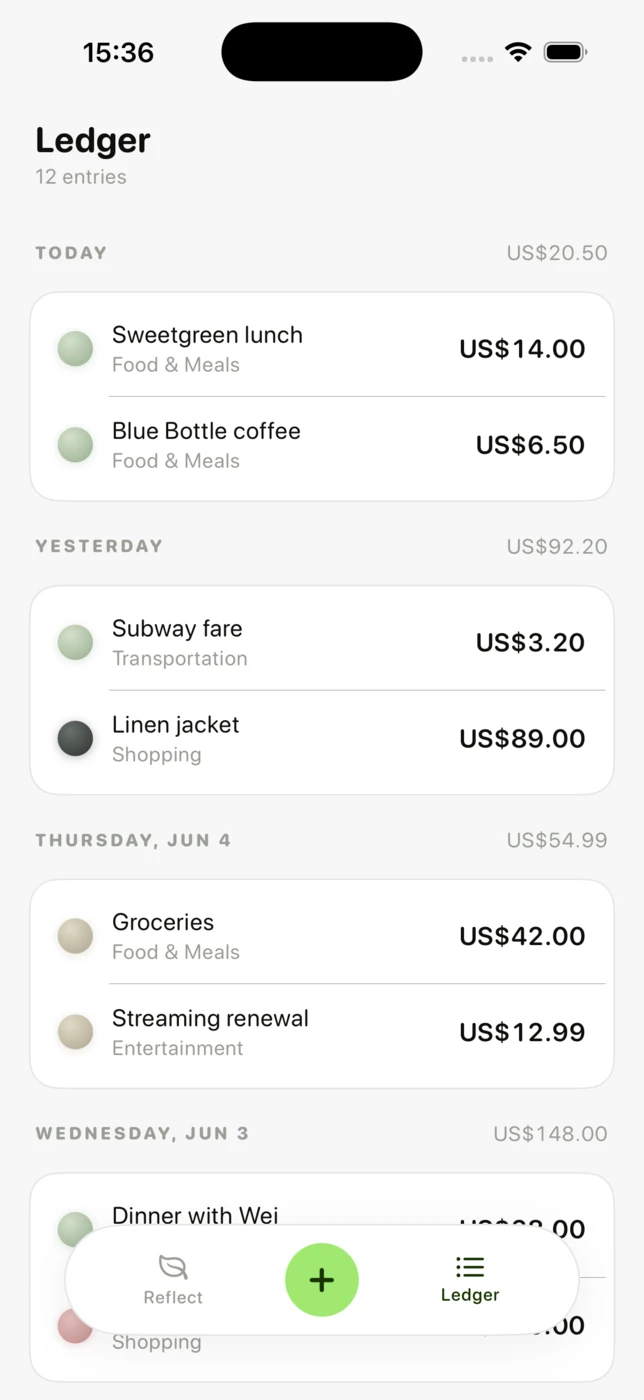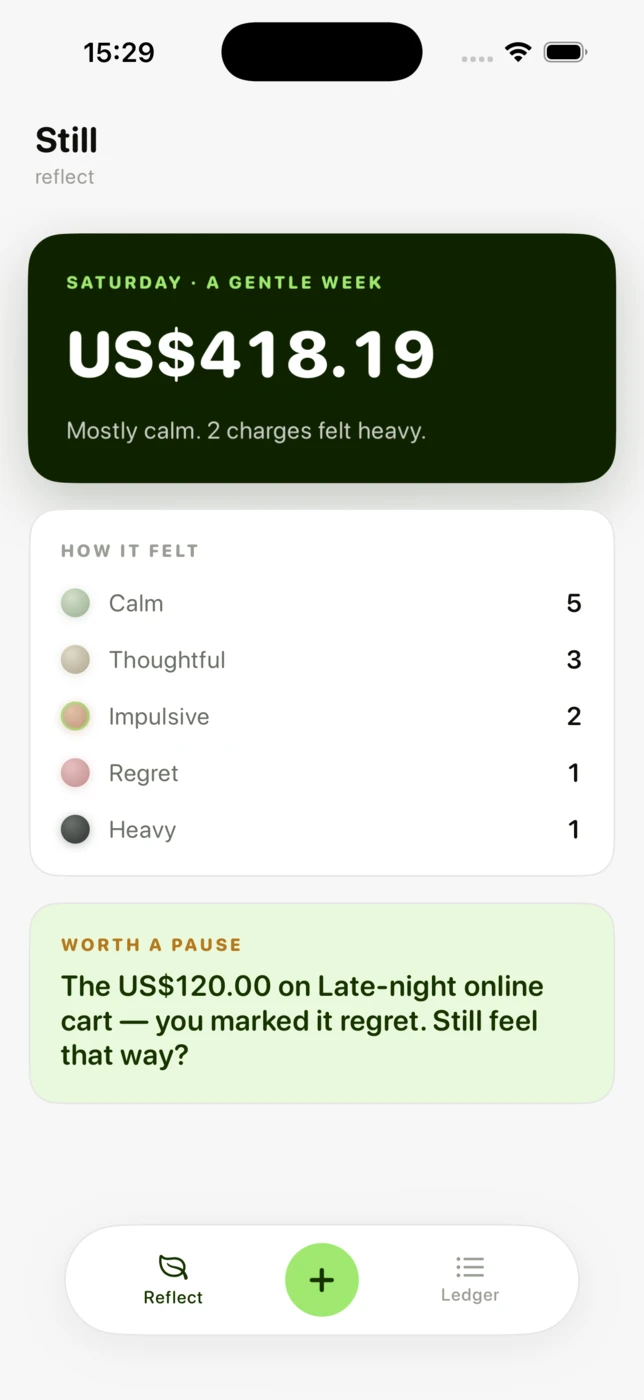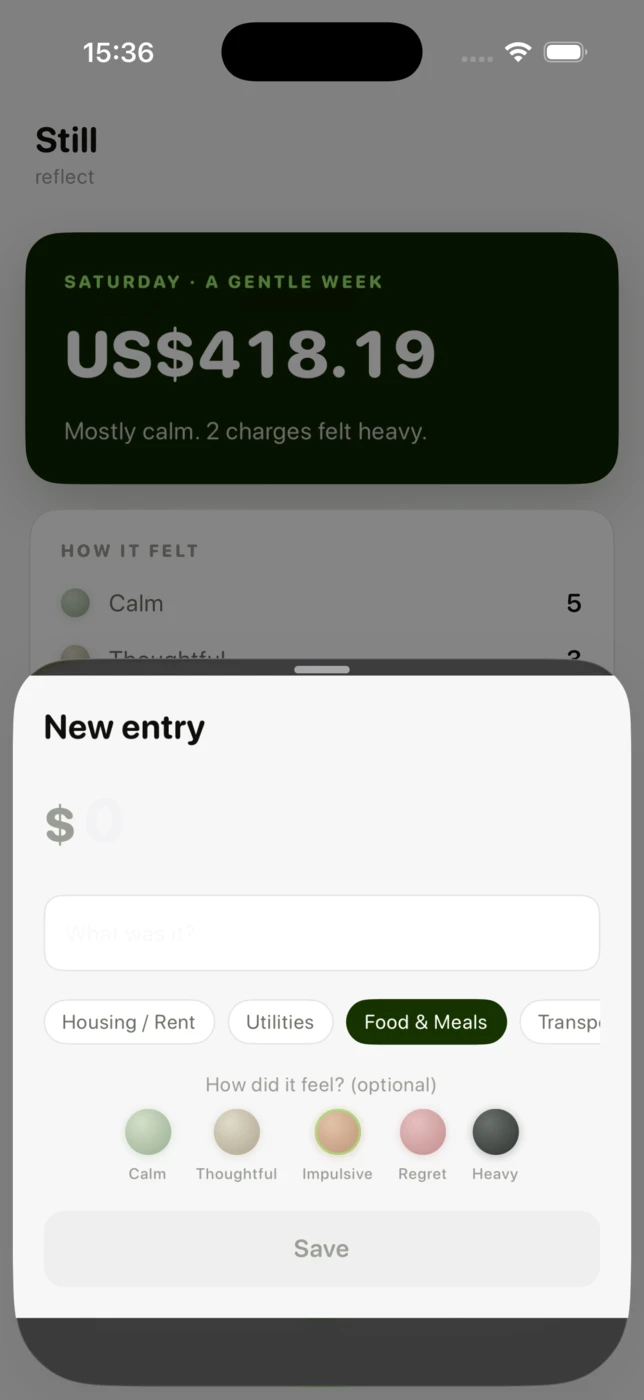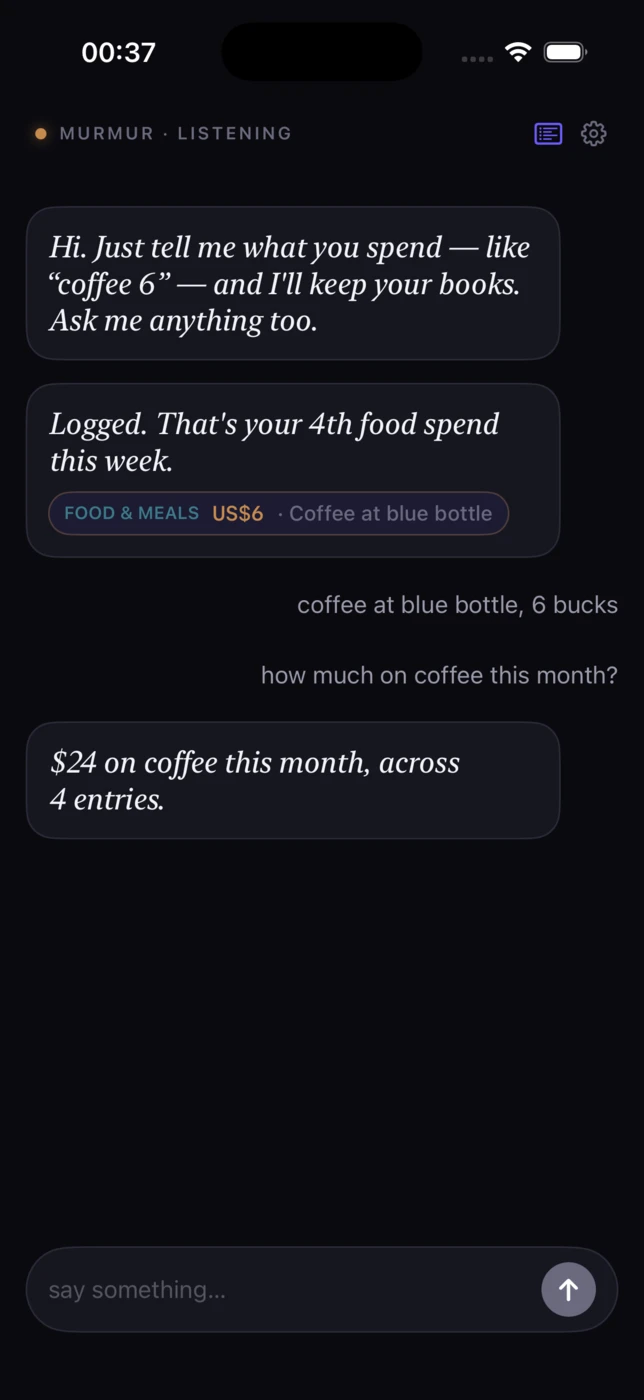

Playback is unavailable. Open video ↗
START WITH HOW IT WORKS
One place to work with your own AI agents.
Give a nontechnical person one conversation through which to shape and use a personal team of AI agents.
01Bring context+
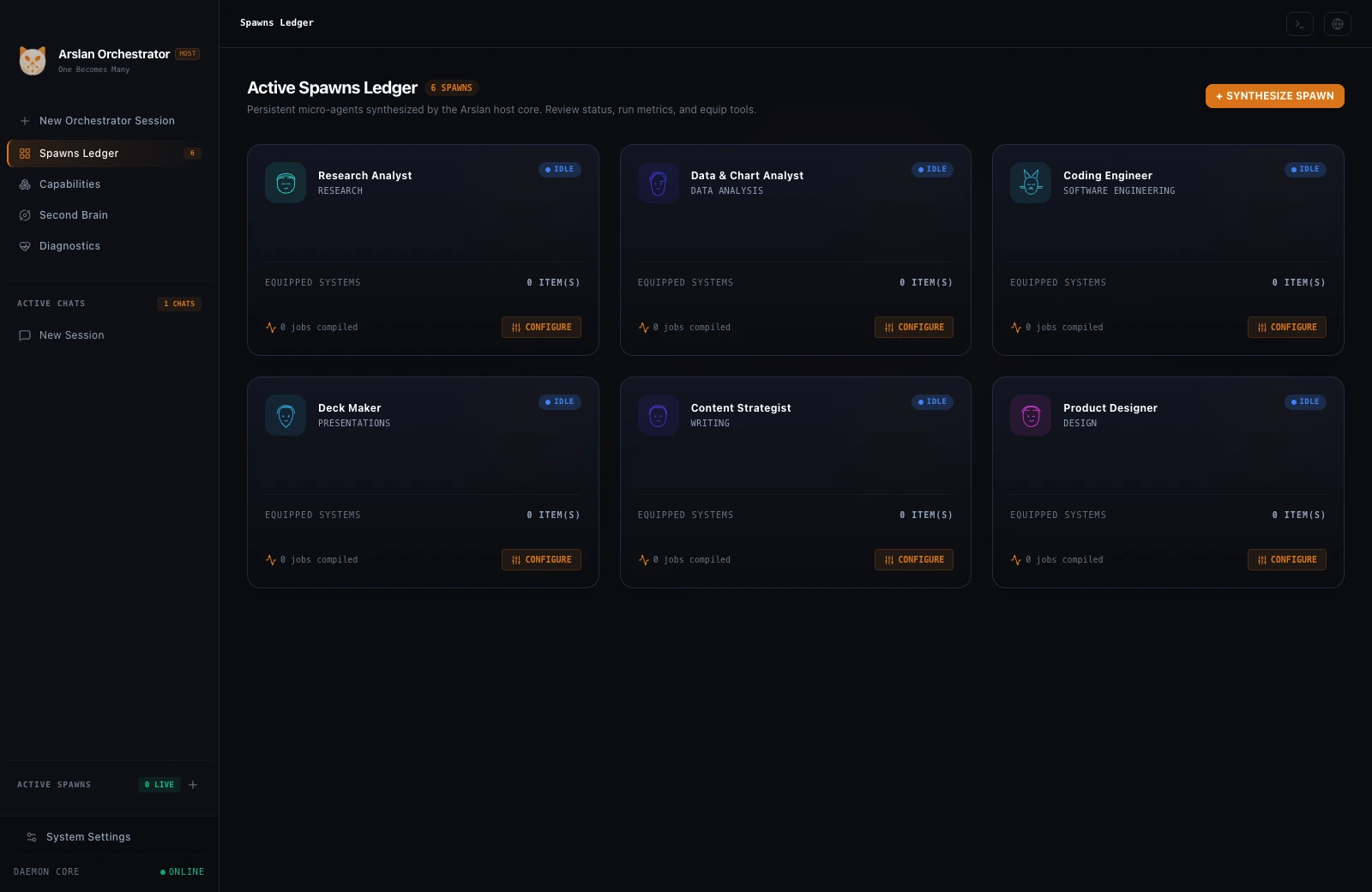
The desktop surface collects the request and displays streamed text, tool activity and decision cards.
02Ask the host+
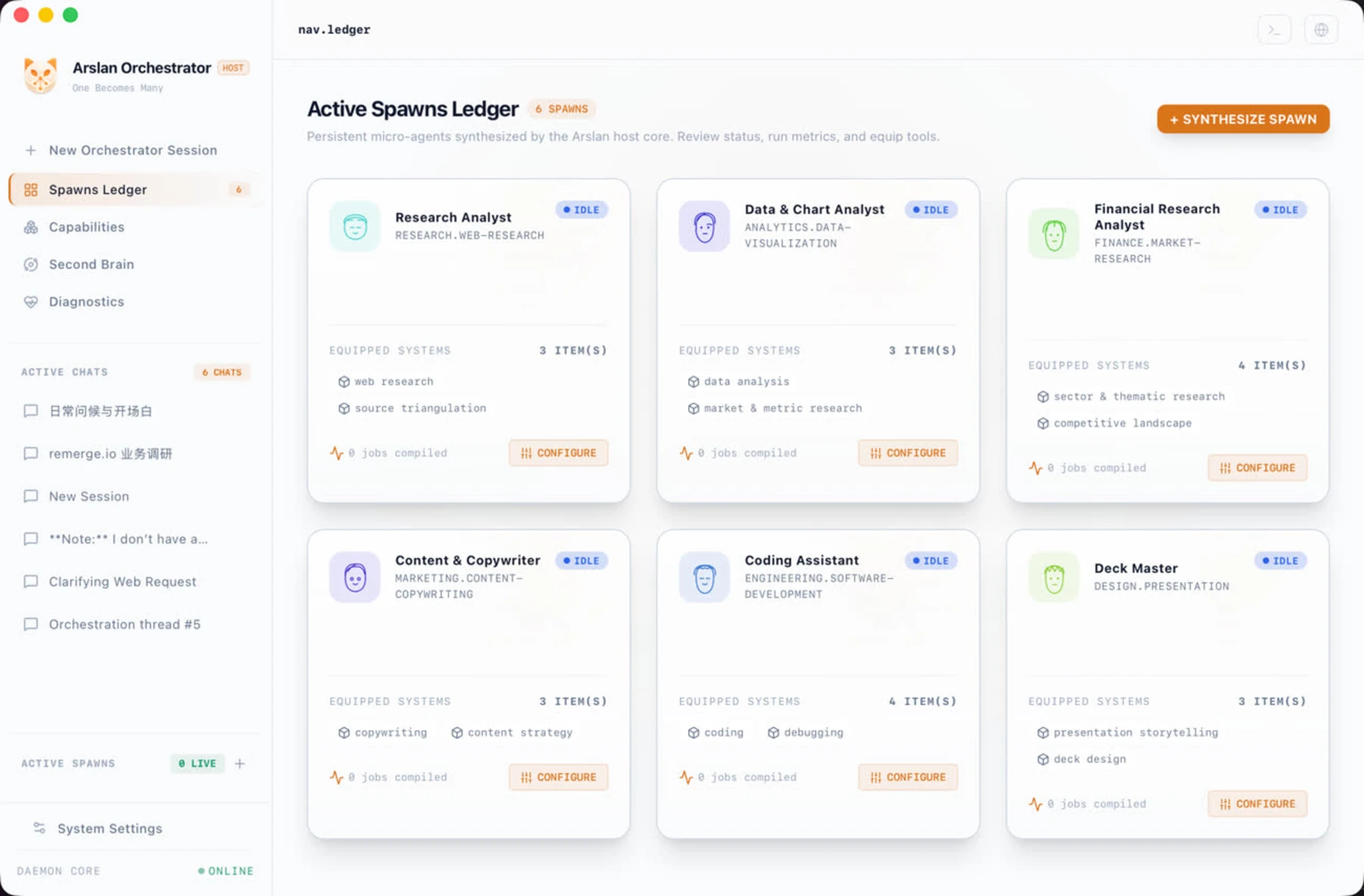
The host decides whether to answer directly or dispatch a specialist, using a shared tool-execution loop.
03Use the right tool+
Tools fetch or transform information. Scanned material can use local OCR; optional model vision has a separate data boundary.
04Keep what matters+
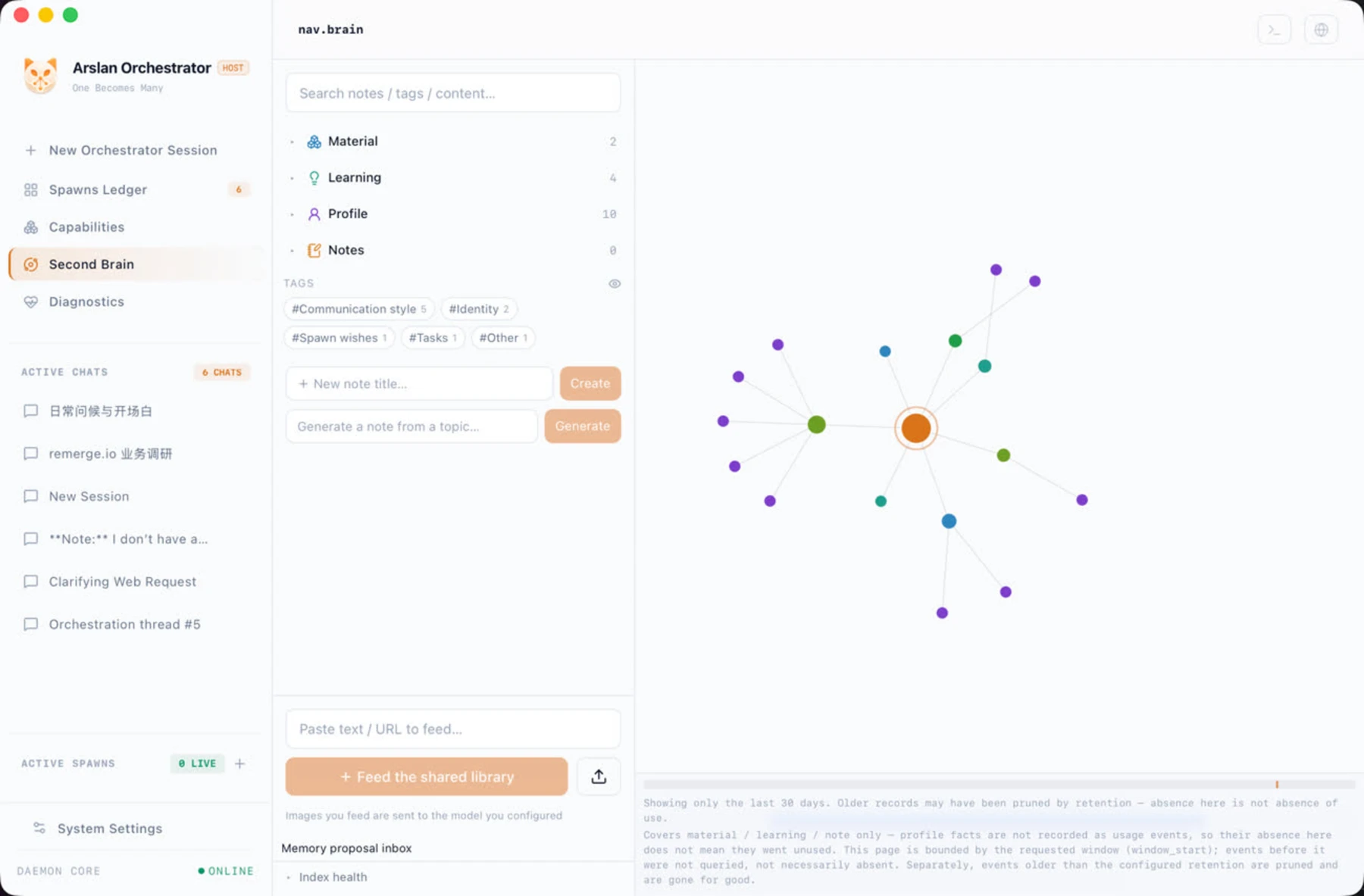
Results return to the conversation. Local records and searchable knowledge provide context for later work.
THE PRODUCT IDEA
One conversation. A team behind it.
Working with several AI agents should start with a task, not with managing separate tools.
- Task design
Keep one point of entry
A lead agent answers or delegates to specialists, keeping the request and its progress in one workspace.
- User control
Make the work visible
Show replies, tool activity and decisions awaiting confirmation together, so the user can follow what is happening.
- Continuity
Give context a place to stay
Keep documents and searchable records locally, with external models and tools chosen through configuration.
Local-first desktop project, open source and pre-v1. External capabilities depend on configuration.
Implementation details
Local-first, pre-v1. External models and tools depend on configuration.
Your context+
Start with a request or an imported document.
Workspace+
See replies, tool activity and decisions in one place.
Agent team+
The host answers or dispatches a specialist through shared execution rules.
Document intake+
Extract text; use local OCR when a page is an image.
Local knowledge+
Save records and retrieve text by full-text search.
Models & tools+
Configured services provide generation and tool capabilities.